



s
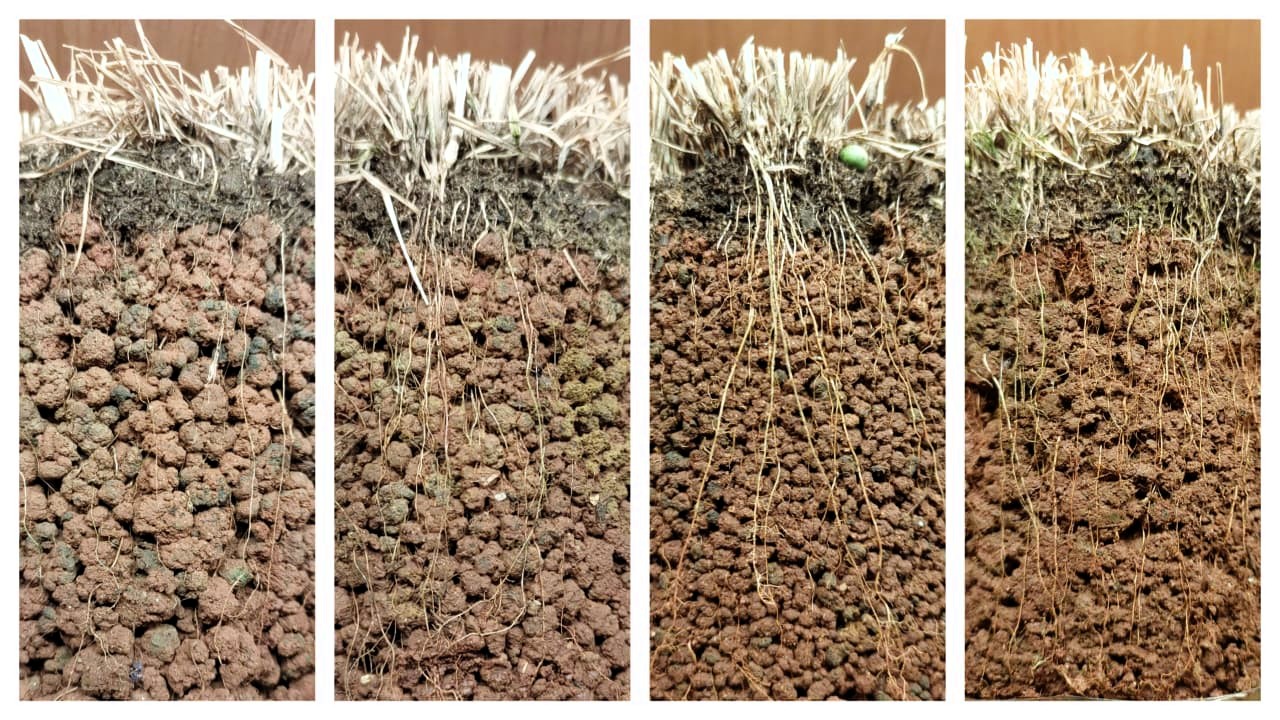
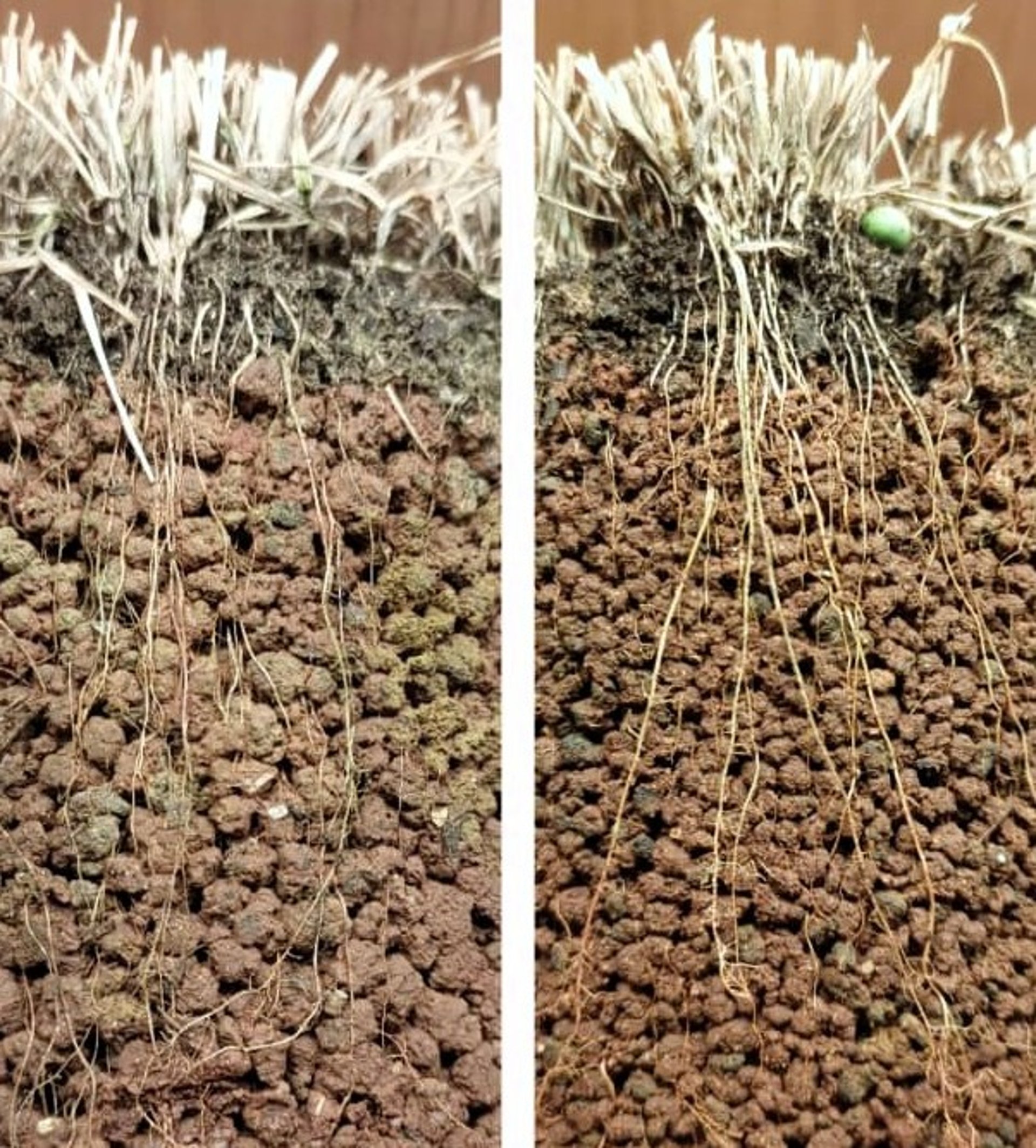
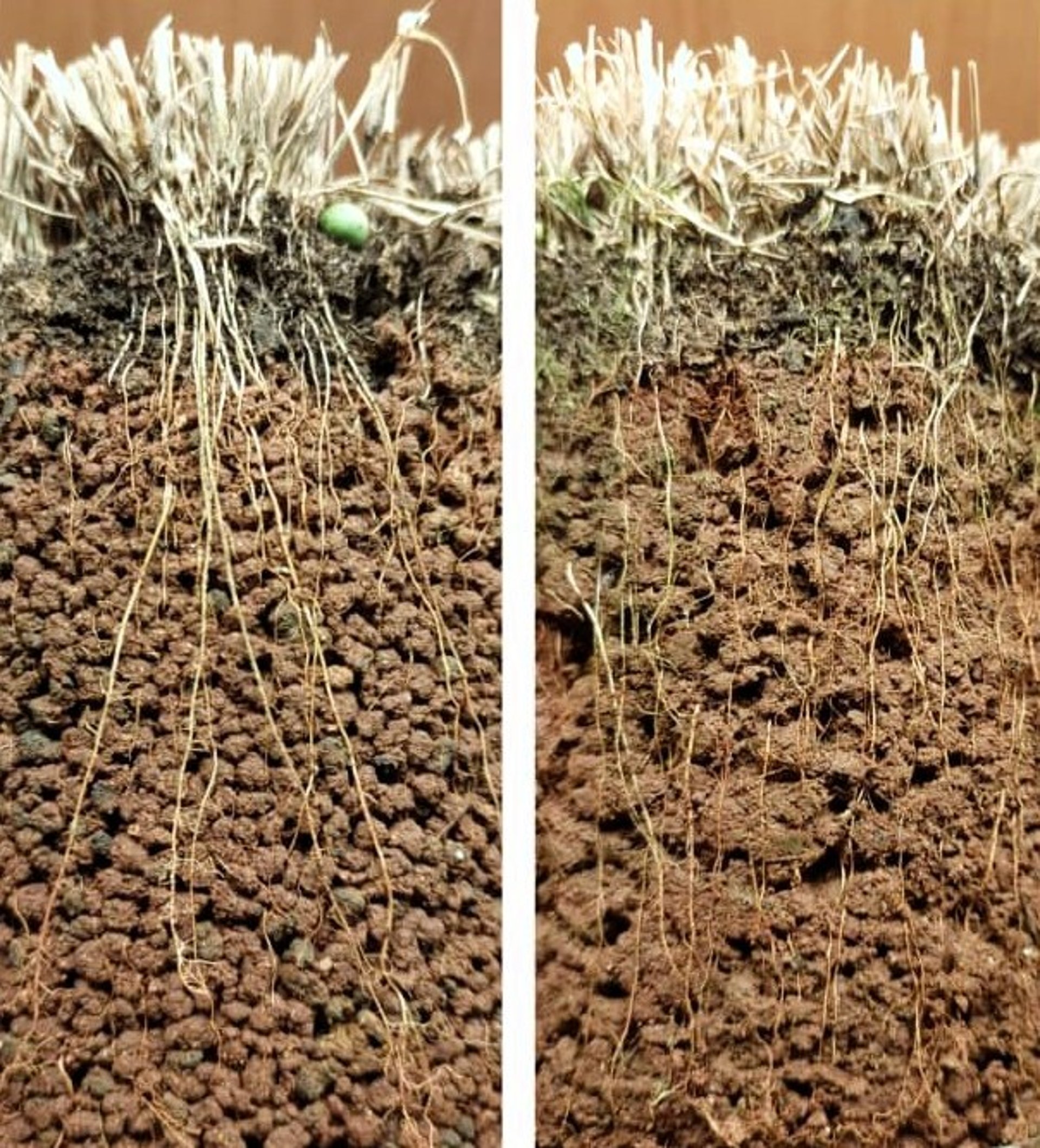
The granulation method is based on soil textural class correction, followed by a specific granulation process designed to produce spherical and amorphous particles with controlled fragility. The substrate demonstrated remarkable stability throughout industrial micro-CT testing, maintaining its structure without degradation or collapse over a one year period. Colonization by Trichoderma and other beneficial fungi was observed, and the overall system remained stable throughout the entire evaluation period.
The method is scalable through a continuous feed line process, utilizing biodegradable waste and inputs, making it both sustainable and economically viable. The technology enables substrate customization according to the specific needs of each species, paving the way for the concept of tailor-made soil for high value plants such as bonsai. Patent available for investors.
Substrate Engineering
Particle Size Comparison: Comparison between natural soil and the granulometric fractions obtained in the experiment: granules of 5mm, 3mm and smaller than 2mm, allowing visual assessment of the different size classes produced by the technology.
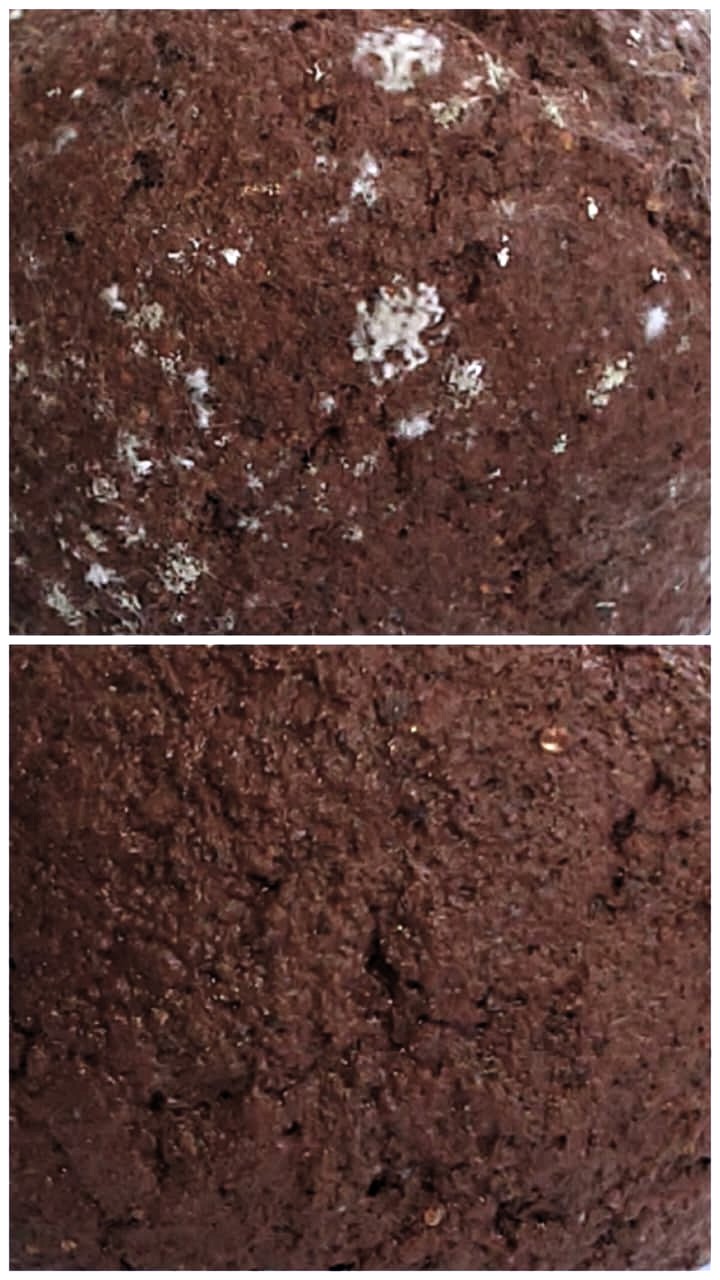
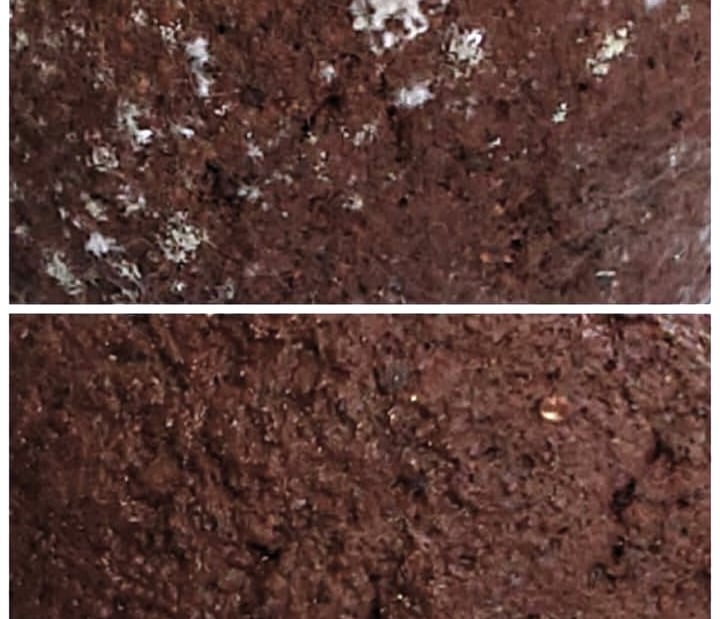
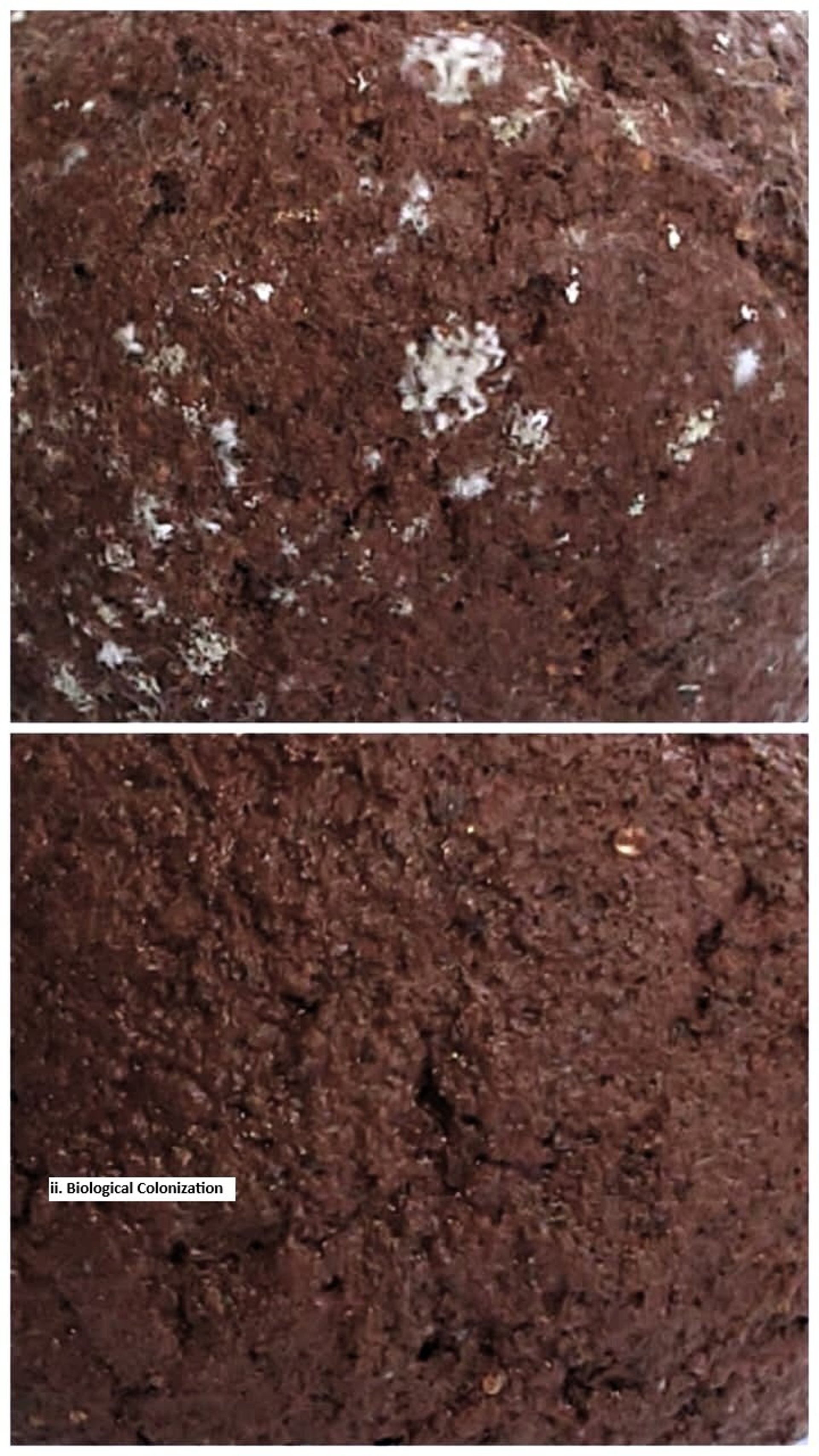
Record of biological colonization by Trichoderma in the matrix of corrected clay soil base versus natural soil at the same time period, evidencing a favorable biological interaction and an environment conducive to the development of beneficial microorganisms.
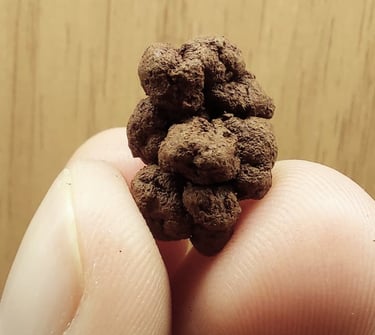
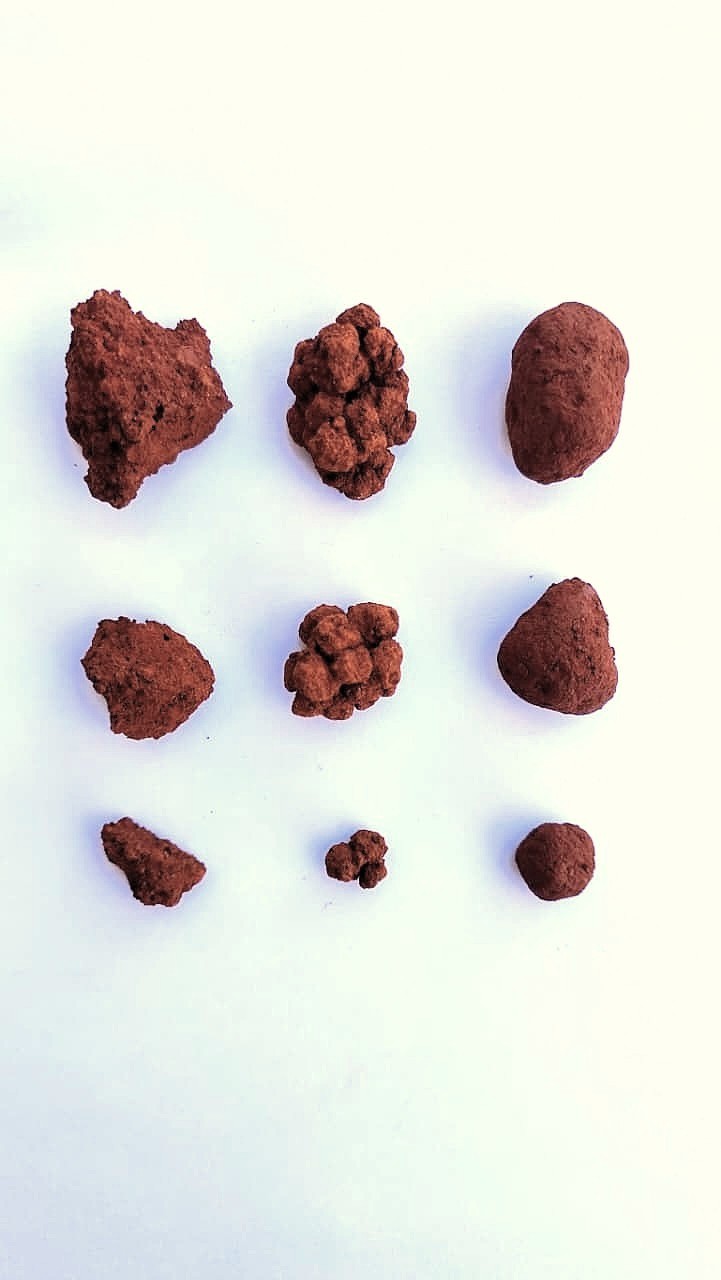
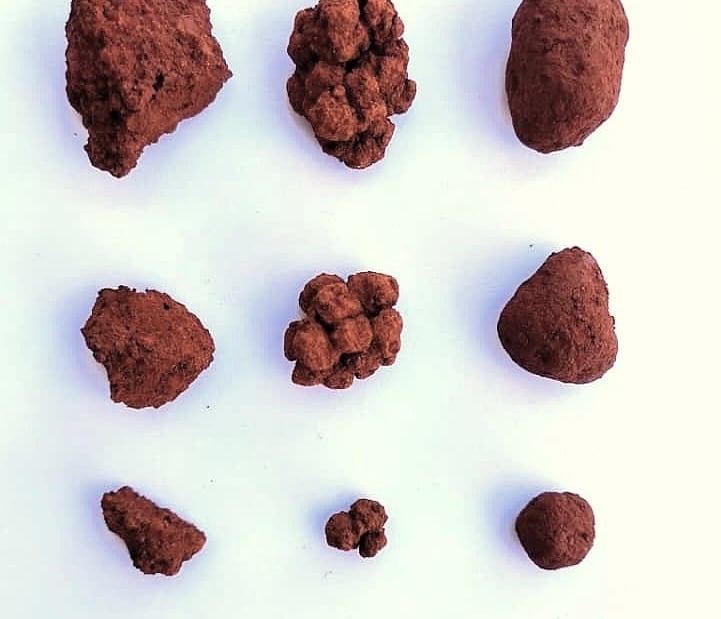
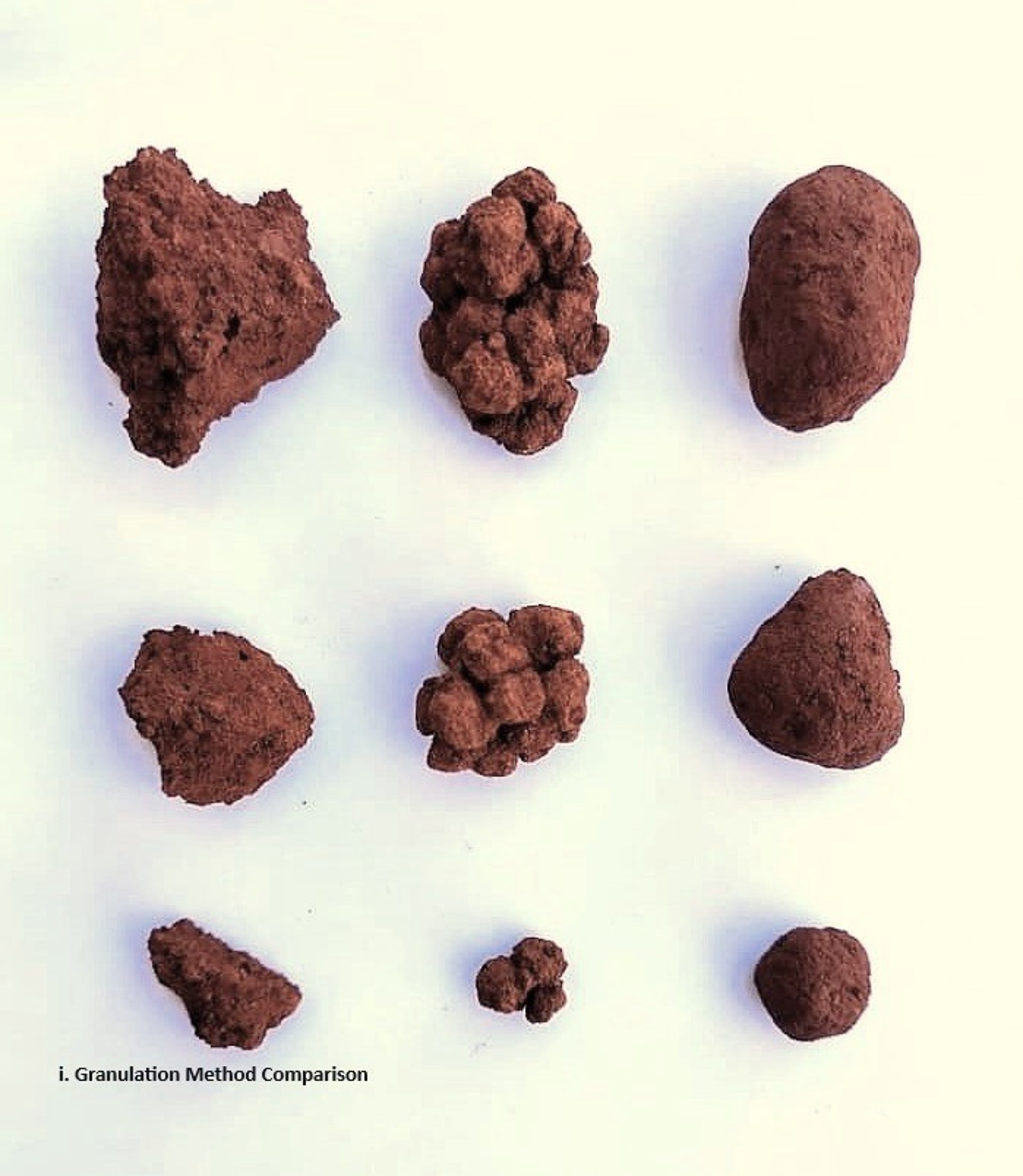
Granulation Method Comparison Direct comparison between three structures: the angular structure typical of clay soils, the granulation produced by the proposed technology, and the conventional spherical granulometry obtained by rotating drum.
Root-Granule Interaction Micro-CT imaging recorded the interception of a 0.3mm root within a 2.9mm granule, confirming that fine roots are capable of directly interacting with the granules. This result demonstrates that the density and structure of the substrate are adequate to promote effective integration between the root system and the granulation technology.
Copyright © 2026 Cultivo Ornamental. All Rights Reserved.
Root-Granule Interaction Micro-CT imaging recorded the interception of a 0.3mm root within a 2.9mm granule, confirming that fine roots are capable of directly interacting with the granules. This result demonstrates that the density and structure of the substrate are adequate to promote effective integration between the root system and the granulation technology.
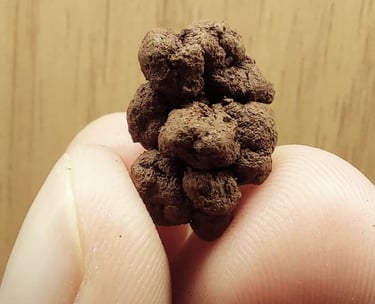
The granulation method is based on soil textural class correction, followed by a specific granulation process designed to produce spherical and amorphous particles with controlled fragility. The substrate demonstrated remarkable stability throughout industrial micro-CT testing, maintaining its structure without degradation or collapse over a one year period. Colonization by Trichoderma and other beneficial fungi was observed, and the overall system remained stable throughout the entire evaluation period.
The method is scalable through a continuous feed line process, utilizing biodegradable waste and inputs, making it both sustainable and economically viable. The technology enables substrate customization according to the specific needs of each species, paving the way for the concept of tailor-made soil for high value plants such as bonsai. Patent available for investors.
Substrate Engineering
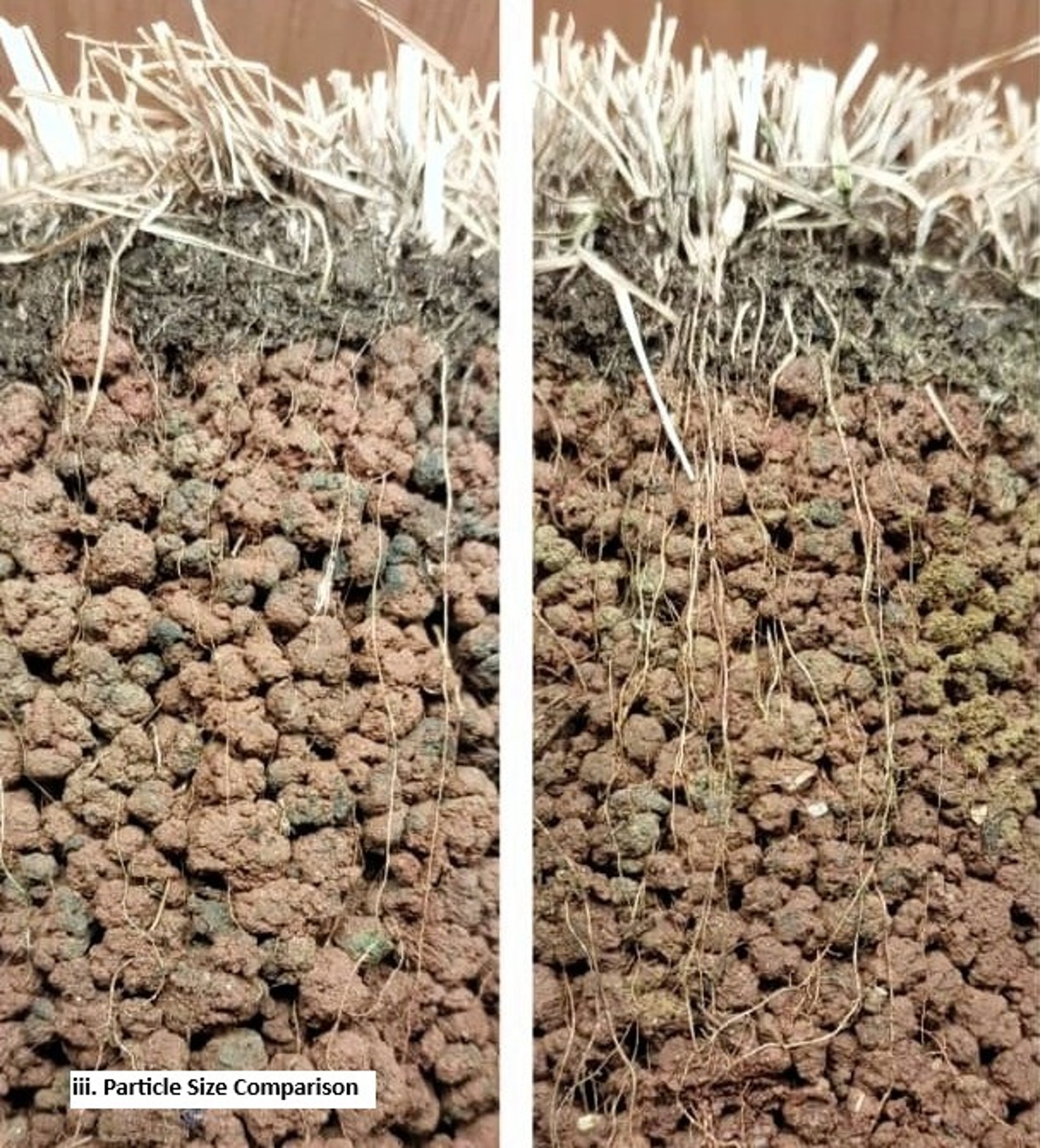
iii. Particle Size Comparison: Comparison between natural soil and the granulometric fractions obtained in the experiment: granules of 5mm, 3mm and smaller than 2mm, allowing visual assessment of the different size classes produced by the technology.
ii. Record of biological colonization by Trichoderma in the matrix of corrected clay soil base versus natural soil at the same time period, evidencing a favorable biological interaction and an environment conducive to the development of beneficial microorganisms.
i. Granulation Method Comparison Direct comparison between three structures: the angular structure typical of clay soils, the granulation produced by the proposed technology, and the conventional spherical granulometry obtained by rotating drum.
Copyright © 2026 Cultivo Ornamental. All Rights Reserved.